Cheap Waste Disposal
by Admin
Posted on 05-11-2025 07:34 PM
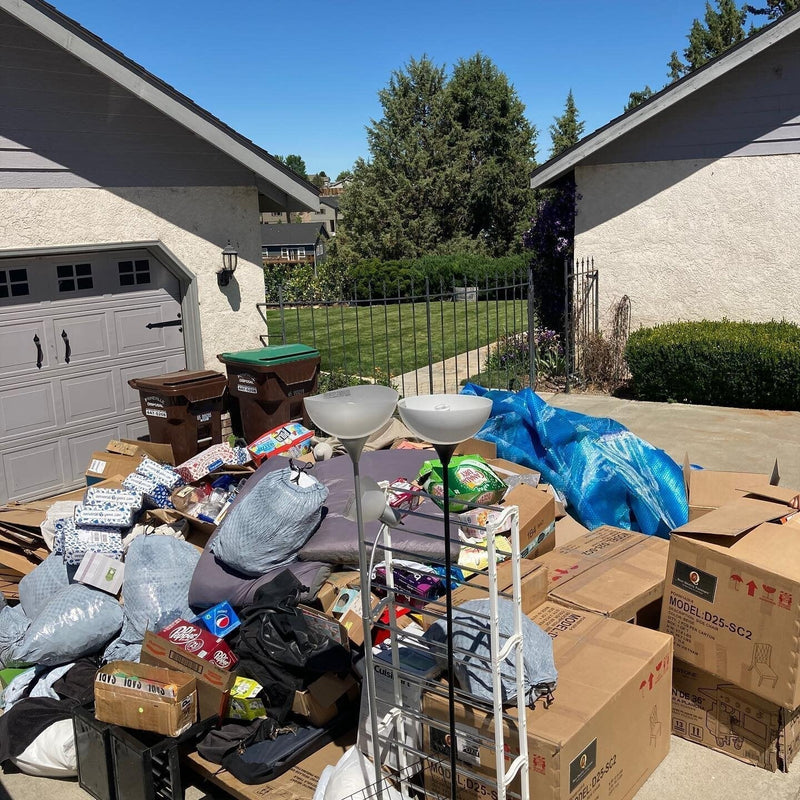
Types of Cheap Waste Disposal Methods
There are several types of cheap waste disposal methods available, including recycling, composting, and landfill disposal. Recycling is the process of converting waste materials into new products, reducing the need for landfill disposal and conserving natural resources. Composting is the decomposition of organic waste, such as food scraps and yard trimmings, into a nutrient-rich soil amendment. Landfill disposal, on the other hand, involves the burial of waste in a controlled environment, often with the use of liners and leachate collection systems to prevent environmental contamination.
Recycling
Recycling is a cheap and environmentally friendly waste disposal method that involves the collection and processing of recyclable materials, such as paper, plastic, glass, and metal. The recyclable materials are sorted and processed into raw materials, which are then used to manufacture new products. Recycling helps to reduce the amount of waste sent to landfills, conserve natural resources, and decrease greenhouse gas emissions. Many communities offer curbside recycling programs, making it easy for residents to participate in recycling.
Composting
Composting is another cheap waste disposal method that involves the decomposition of organic waste into a nutrient-rich soil amendment. Composting can be done at home using a compost bin or pile, or through community composting programs. Composting helps to reduce the amount of organic waste sent to landfills, create a natural fertilizer for gardens and landscapes, and decrease the production of methane, a potent greenhouse gas.
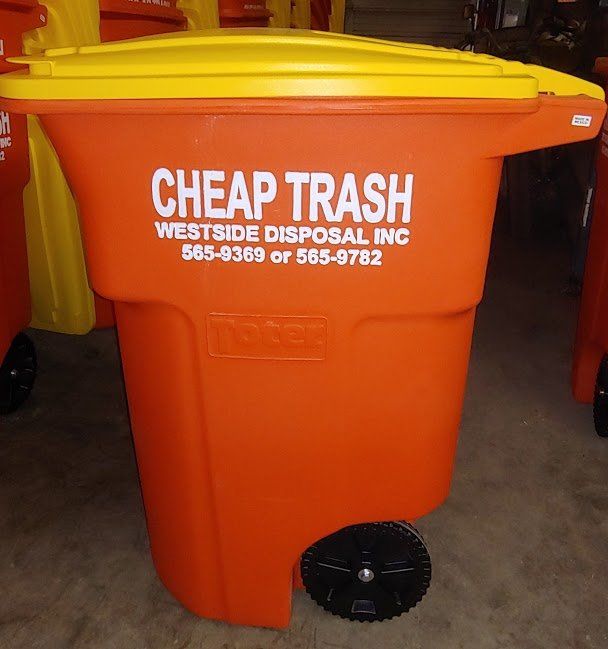
Benefits of Cheap Waste Disposal
The benefits of cheap waste disposal are numerous, including cost savings, environmental protection, and job creation. Cheap waste disposal methods, such as recycling and composting, help to reduce the financial burden of waste disposal on individuals and businesses. By adopting environmentally friendly waste management practices, we can reduce the environmental impacts of waste disposal, such as pollution, climate change, and habitat destruction. Additionally, the waste management industry provides employment opportunities for thousands of people, contributing to the local economy.
Environmental Benefits
The environmental benefits of cheap waste disposal are significant, including the reduction of greenhouse gas emissions, conservation of natural resources, and protection of wildlife habitats. Recycling and composting help to reduce the amount of waste sent to landfills, decreasing the production of methane and other greenhouse gases. Additionally, recycling and composting help to conserve natural resources, such as water and energy, by reducing the need for raw materials extraction and processing.
Economic Benefits
The economic benefits of cheap waste disposal are also significant, including cost savings, job creation, and stimulation of local economies. Cheap waste disposal methods, such as recycling and composting, help to reduce the financial burden of waste disposal on individuals and businesses. The waste management industry provides employment opportunities for thousands of people, contributing to the local economy. Additionally, the recycling industry generates billions of dollars in revenue each year, stimulating local economies and contributing to national economic growth.
Cheap Waste Disposal Techniques
There are several cheap waste disposal techniques available, including waste reduction, reuse, and recycling. Waste reduction involves reducing the amount of waste generated, through methods such as reducing packaging, buying in bulk, and avoiding single-use products. Reuse involves finding new uses for items that would otherwise be thrown away, such as donating gently used clothing and household items. Recycling involves converting waste materials into new products, reducing the need for landfill disposal and conserving natural resources.
Waste Reduction
Waste reduction is a cheap and effective waste disposal technique that involves reducing the amount of waste generated. This can be achieved through methods such as reducing packaging, buying in bulk, and avoiding single-use products. Waste reduction helps to reduce the financial burden of waste disposal, decrease the environmental impacts of waste disposal, and conserve natural resources.
Reuse
Reuse is another cheap waste disposal technique that involves finding new uses for items that would otherwise be thrown away. This can be achieved through methods such as donating gently used clothing and household items, selling items through online marketplaces, and repurposing items for new uses. Reuse helps to reduce the amount of waste sent to landfills, conserve natural resources, and decrease the production of greenhouse gases.
Importance of Cheap Waste Disposal
The importance of cheap waste disposal cannot be overstated, as it helps to reduce the financial burden of waste disposal, decrease the environmental impacts of waste disposal, and conserve natural resources. Cheap waste disposal methods, such as recycling and composting, help to reduce the amount of waste sent to landfills, decreasing the production of methane and other greenhouse gases. Additionally, cheap waste disposal methods help to conserve natural resources, such as water and energy, by reducing the need for raw materials extraction and processing.
Challenges of Cheap Waste Disposal
Despite the benefits of cheap waste disposal, there are several challenges associated with its implementation, including lack of awareness, inadequate infrastructure, and lack of funding. Many individuals and businesses are unaware of the cheap waste disposal methods available, making it difficult to adopt environmentally friendly waste management practices. Additionally, inadequate infrastructure, such as lack of recycling facilities and composting programs, can make it difficult to implement cheap waste disposal methods. Finally, lack of funding can make it difficult to establish and maintain cheap waste disposal programs, such as recycling and composting programs.
Conclusion
In conclusion, Cheap Waste Disposal is a critical aspect of maintaining a clean and healthy environment. The various cheap waste disposal methods available, including recycling, composting, and landfill disposal, offer numerous benefits, including cost savings, environmental protection, and job creation. By adopting environmentally friendly waste management practices, we can reduce the environmental impacts of waste disposal, conserve natural resources, and stimulate local economies. It is essential to raise awareness about the importance of cheap waste disposal and to address the challenges associated with its implementation, such as lack of awareness, inadequate infrastructure, and lack of funding.
FAQs
What is cheap waste disposal?
Cheap waste disposal refers to the methods and techniques used to dispose of waste in a cost-effective and environmentally friendly manner.
What are the benefits of cheap waste disposal?
The benefits of cheap waste disposal include cost savings, environmental protection, and job creation.
How can I reduce my waste disposal costs?
You can reduce your waste disposal costs by adopting cheap waste disposal methods, such as recycling, composting, and reducing waste generation.
What are some examples of cheap waste disposal methods?
Examples of cheap waste disposal methods include recycling, composting, and landfill disposal.
How can I get involved in cheap waste disposal efforts in my community?
You can get involved in cheap waste disposal efforts in your community by participating in local recycling programs, composting initiatives, and waste reduction campaigns.
What is the importance of cheap waste disposal for the environment?
Cheap waste disposal is essential for the environment, as it helps to reduce the environmental impacts of waste disposal, conserve natural resources, and decrease the production of greenhouse gases.