Environmental Waste Management
by Admin
Posted on 05-11-2025 07:34 PM
Importance of Environmental Waste Management
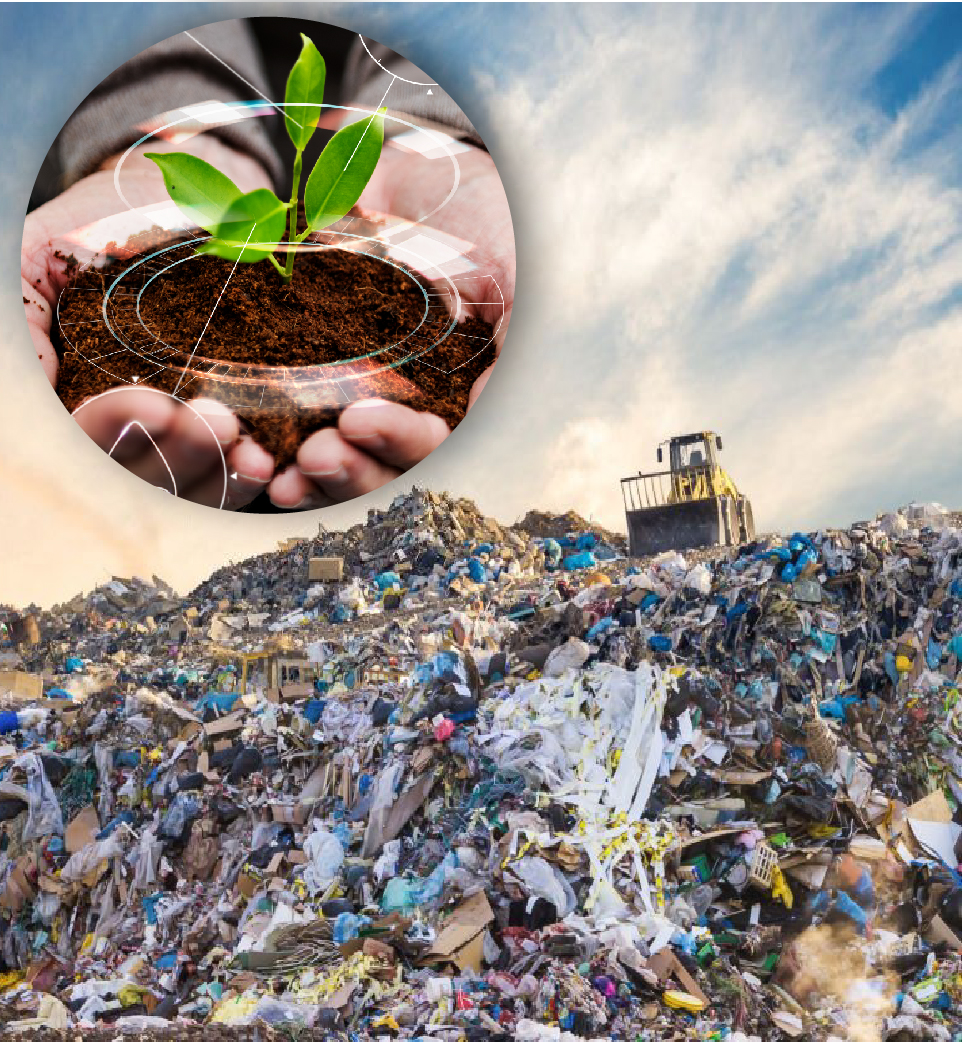
Environmental waste management is essential for protecting the environment and public health. Improper waste disposal can lead to environmental pollution, contamination of water sources, and the spread of diseases. Effective waste management practices can help prevent these problems and promote a clean and healthy environment. Moreover, environmental waste management can also help reduce greenhouse gas emissions, mitigate climate change, and conserve natural resources. By adopting sustainable waste management practices, we can reduce our environmental footprint and promote a more sustainable future.
Types of Environmental Waste
There are several types of environmental waste, including solid waste, liquid waste, and gaseous waste. Solid waste includes household waste, industrial waste, and hazardous waste, while liquid waste includes wastewater and sewage. Gaseous waste includes air pollutants and greenhouse gases. Each type of waste requires different management practices and strategies to minimize its environmental impacts. For example, solid waste can be managed through recycling, composting, and landfilling, while liquid waste can be managed through treatment and disposal in wastewater treatment plants.
Solid Waste Management
Solid waste management is a critical aspect of environmental waste management. Solid waste includes household waste, industrial waste, and hazardous waste, and its management requires a comprehensive approach. Recycling, composting, and landfilling are some of the common solid waste management practices. Recycling involves the collection and processing of recyclable materials, such as paper, plastic, and glass, to produce new products. Composting involves the decomposition of organic waste, such as food waste and yard trimmings, to produce a nutrient-rich soil amendment. Landfilling involves the disposal of waste in landfills, which can lead to environmental problems if not managed properly.
Liquid Waste Management
Liquid waste management is another critical aspect of environmental waste management. Liquid waste includes wastewater and sewage, and its management requires a comprehensive approach. Wastewater treatment plants are used to treat and dispose of liquid waste, and they involve physical, chemical, and biological processes to remove pollutants and contaminants. The treated wastewater can be reused for non-potable purposes, such as irrigation and industrial processes, or discharged into water bodies.
Waste Reduction and Minimization
Waste reduction and minimization are essential strategies for environmental waste management. Waste reduction involves reducing the amount of waste generated, while waste minimization involves reducing the environmental impacts of waste. Waste reduction can be achieved through practices such as reducing consumption, reusing products, and recycling. Waste minimization can be achieved through practices such as composting, anaerobic digestion, and landfill gas capture. By adopting these strategies, we can reduce the environmental impacts of waste and promote a more sustainable future.
Waste Management Technologies
Waste management technologies play a critical role in environmental waste management. These technologies include recycling technologies, composting technologies, and waste-to-energy technologies. Recycling technologies involve the use of machines and processes to sort, clean, and process recyclable materials. Composting technologies involve the use of machines and processes to decompose organic waste and produce a nutrient-rich soil amendment. Waste-to-energy technologies involve the use of machines and processes to convert waste into energy, such as heat and electricity. These technologies can help reduce the environmental impacts of waste and promote a more sustainable future.
Challenges and Opportunities
Environmental waste management faces several challenges and opportunities. One of the major challenges is the lack of infrastructure and resources in developing countries, which can lead to improper waste disposal and environmental pollution. Another challenge is the increasing amount of waste generated, which can lead to environmental problems if not managed properly. However, there are also opportunities for innovation and investment in waste management technologies and practices, such as effortless junk removal solutions that can help reduce the environmental impacts of waste. By adopting sustainable waste management practices and technologies, we can promote a more sustainable future.
Conclusion
Environmental waste management is a critical aspect of maintaining a healthy and sustainable environment. Effective waste management practices can help reduce the environmental impacts of human activities, conserve natural resources, and promote sustainable development. By adopting sustainable waste management practices and technologies, we can reduce the environmental impacts of waste and promote a more sustainable future. It is essential to raise awareness about the importance of environmental waste management and to promote sustainable waste management practices and technologies.
FAQs
What is environmental waste management?
Environmental waste management refers to the practices and technologies used to manage and dispose of waste in a way that minimizes its environmental impacts.
Why is environmental waste management important?
Environmental waste management is important because it helps to protect the environment and public health by reducing the environmental impacts of waste.
What are the types of environmental waste?
The types of environmental waste include solid waste, liquid waste, and gaseous waste.
How can we reduce waste?
We can reduce waste by adopting practices such as reducing consumption, reusing products, and recycling.
What is waste minimization?
Waste minimization refers to the strategies and practices used to reduce the environmental impacts of waste.
What are waste management technologies?
Waste management technologies refer to the machines and processes used to manage and dispose of waste, such as recycling technologies, composting technologies, and waste-to-energy technologies.